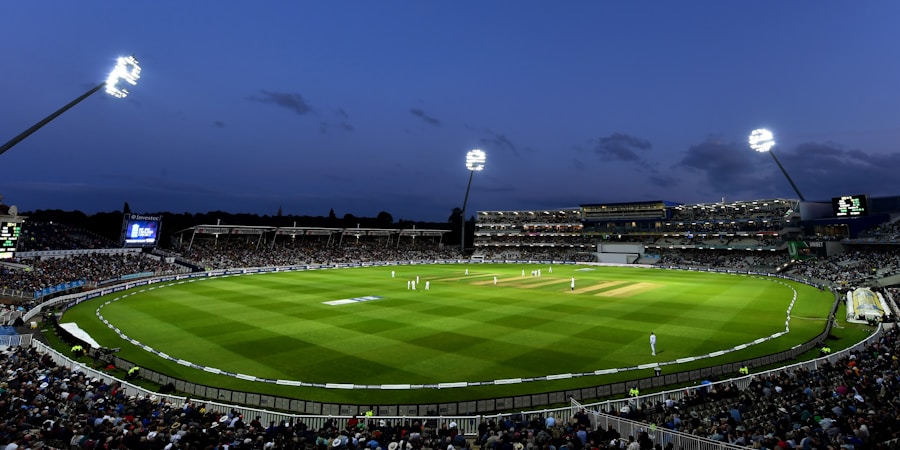
Australia delivered a masterclass in pink-ball cricket at Adelaide Oval, crushing India by 10 wickets in the second Test to draw level in the Border-Gavaskar Trophy series. The hosts' clinical performance, spearheaded by Mitchell Starc's lethal swing bowling and Travis Head's explosive century, served as a resounding response to their 295-run defeat in the Perth opener.
From the moment Starc took the new ball under lights, India's batsmen found themselves in a nightmare they could not escape. The left-arm quick was virtually unplayable, his deliveries darting and seaming under the Adelaide floodlights as he carved through India's vaunted batting lineup. His figures of 6-48 told only part of the story, as India's first innings capitulated to a meager 180 runs.
Australia's reply was built on the brilliance of Travis Head, who once again proved why he has become the scourge of touring sides at his home ground. The South Australian left-hander unfurled a dazzling array of strokes in compiling 140 runs, taking the attack to India's bowlers with characteristic aggression. Marnus Labuschagne provided crucial support with a composed 64, as Australia accumulated 337 runs to establish a commanding first-innings lead of 157.
The match was not without its flashpoints. An on-field altercation between Head and Indian pace spearhead Mohammed Siraj added spice to an already intense contest, resulting in penalties for both players. The incident underscored the fierce competitive spirit that has come to define this historic rivalry, though it did little to distract from Australia's inexorable march toward victory.
Facing a substantial deficit, India needed their senior batsmen to stand tall in the second innings. Instead, they found themselves once again unable to cope with Australia's disciplined bowling attack. The tourists managed only 175 runs, leaving the home side with a paltry target of just 19 runs to complete the victory.
Australia's openers wasted no time in finishing the job, racing to the target without losing a wicket to seal a comprehensive 10-wicket triumph. The margin of victory, achieved well inside four days, represented a complete reversal of fortunes from the first Test in Perth, where India had dominated proceedings.
The series now stands deadlocked at 1-1, with three matches remaining in what has suddenly become an unpredictable contest. India's emphatic 295-run win in Perth had suggested they might finally end their long wait for a Border-Gavaskar Trophy victory on Australian soil, but the Adelaide result has shown that Pat Cummins' side possesses the firepower and resilience to match them blow for blow.
Attention now turns to the Gabba in Brisbane, where the third Test commences on December 14. The fortress-like venue has traditionally been a happy hunting ground for Australia, though India famously breached it during their remarkable 2020-21 campaign.
For India, the Adelaide defeat presents significant questions about their batting depth and ability to handle the pink ball under lights. For Australia, it represents validation that their Perth setback was an aberration rather than a trend. With everything still to play for, cricket fans around the world can look forward to what promises to be a captivating conclusion to one of the sport's greatest rivalries.
Cricket
Australia Roar Back: Starc and Head Demolish India in Adelaide to Level Border-Gavaskar Series
📅 Published on December 4, 2025 at 8:00 AM