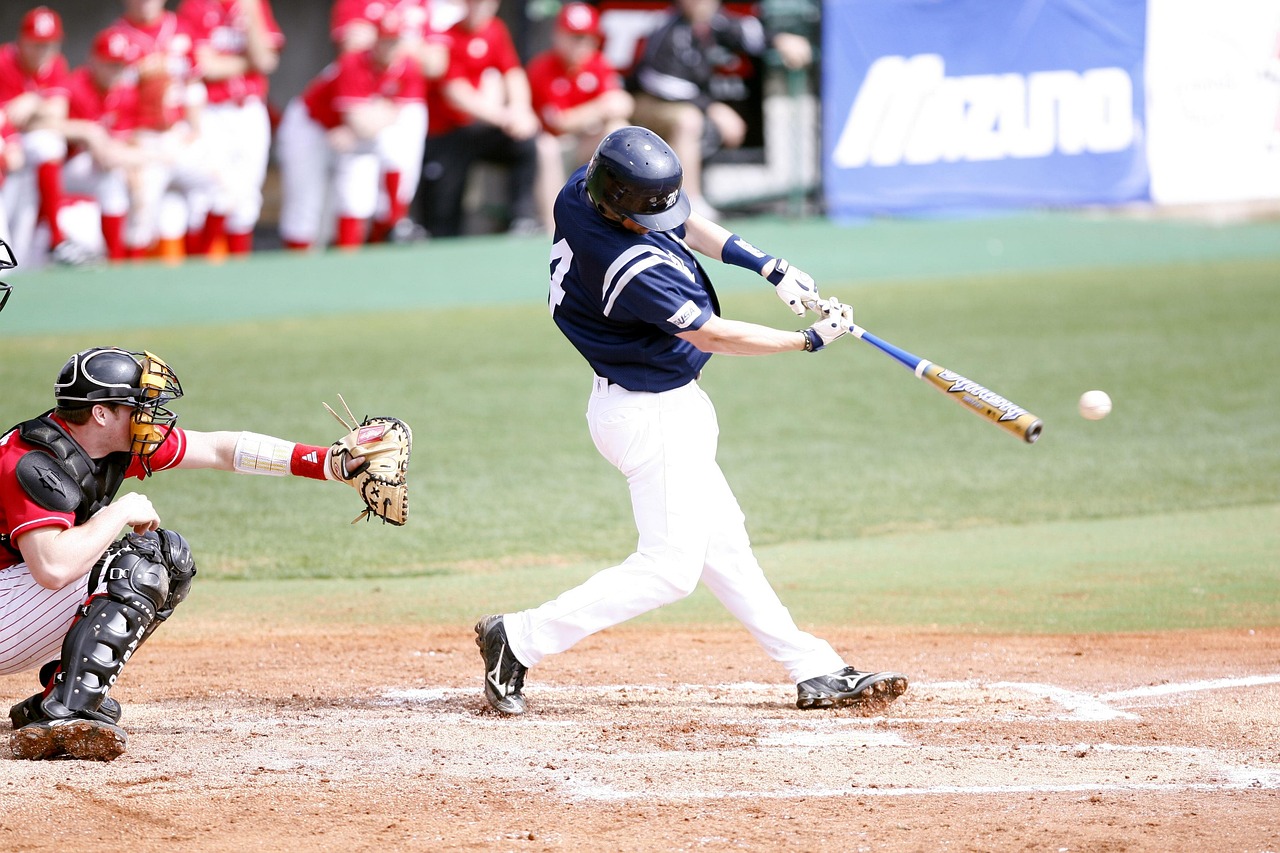
Baseball has always been a sport that reveres its traditions. From the seventh-inning stretch to the hand signals of home plate umpires, the rhythms of the game have remained remarkably consistent across generations. But as spring training camps open across Arizona and Florida this month, a new era is dawning — one where technology and tradition will share the diamond like never before.
Major League Baseball has confirmed that the automated ball-strike system, widely known as robot umpires, will make its official big-league debut in the 2026 season. The announcement caps years of development, testing, and debate over whether machines should play a role in calling the most fundamental judgment in the sport.
The technology is not entirely new to professional baseball. The automated strike zone has been tested extensively in the minor leagues since 2022, giving the league and its players ample time to evaluate the system in competitive environments. What those years of testing produced is a challenge-based model that strikes a careful balance between innovation and the human element that has defined baseball for more than a century.
Rather than replacing home plate umpires entirely, the system allows teams to challenge ball and strike calls they believe were incorrect. Think of it as an extension of the replay review system that was introduced for other plays on the field, now applied to the pitches themselves. The umpire still makes the initial call. The catcher still frames the pitch. The batter still reacts in the moment. But when a team believes the call was wrong, they now have recourse — a digital second opinion powered by precise tracking technology.
The implications are enormous. Ball and strike calls are by far the most frequent judgments made in any baseball game, and studies have consistently shown that even the best umpires miss a meaningful percentage of them. Pitches on the edges of the zone, the ones that often determine at-bats and shape entire games, have long been subject to human inconsistency. The automated system promises to reduce those errors and, in theory, create a more level playing field.
Not everyone has embraced the change with open arms. Traditionalists argue that the human element behind the plate is an essential part of the game's fabric, that the give-and-take between pitchers, catchers, and umpires over the course of a game is part of what makes baseball unique. Others worry about the pace of play implications of a challenge system, though proponents counter that the minor league testing phase addressed many of those concerns.
Fans will get their first taste of the new system soon. Spring training games are set to begin on February 20, offering an early look at how the technology integrates into live action. From there, the spotlight only grows brighter. Opening Day is scheduled for March 25, the earliest in MLB history, and will feature a marquee matchup with the San Francisco Giants hosting the New York Yankees.
It is a fitting stage for a historic moment. Baseball has survived and thrived through the introduction of night games, expansion, the designated hitter, instant replay, and a pitch clock. Each change was met with resistance, and each eventually became part of the sport's evolving identity.
The robot umpires are next in line. Whether you see them as the future of fairness or an unwelcome intrusion into a timeless game, one thing is certain: when the first challenge is issued on Opening Day, baseball will never quite be the same.
Baseball
The Future Is Now: Robot Umpires Arrive in Major League Baseball for 2026
📅 Published on February 17, 2026 at 8:00 AM